


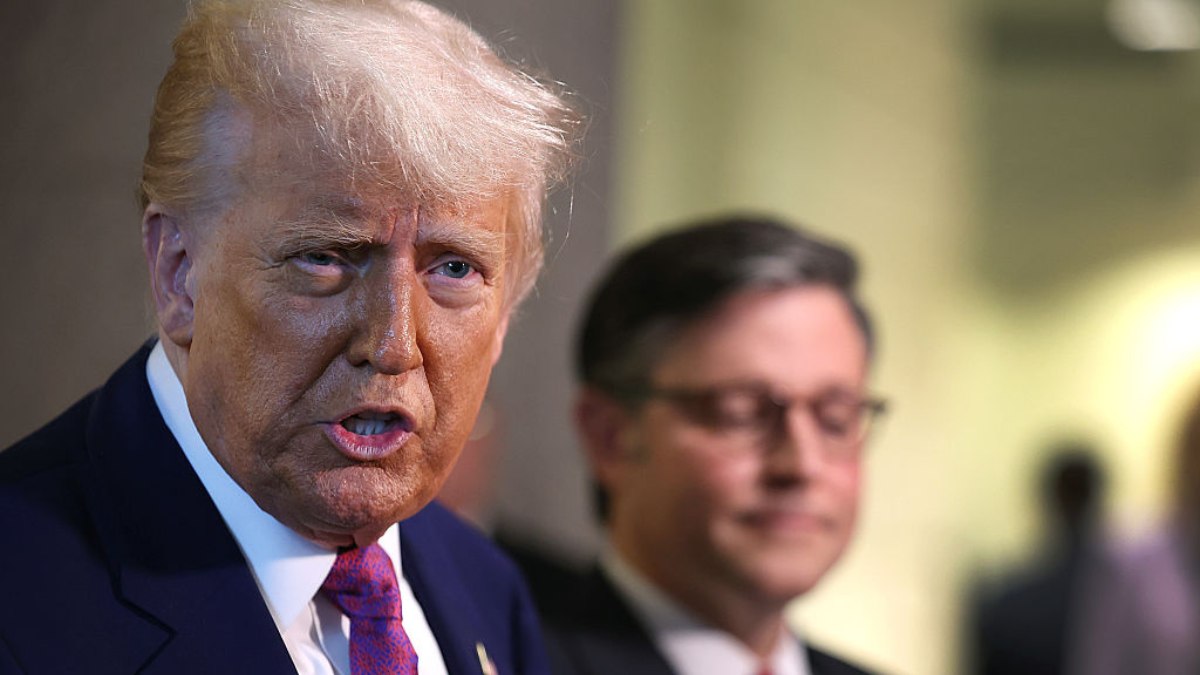
Photograph by Tasos Katopodis/Getty Pictures

|
The Supreme Court docket has allowed President Donald Trump to dismiss two Biden-appointed members of U.S. labor boards, regardless of federal legal guidelines stopping such politically motivated removals. In line with Doc Cloud, the choice got here by means of a two-page unsigned order that declined to reinstate the fired members of the Nationwide Labor Relations Board and the Benefit Methods Safety Board.
The ruling impacts NLRB Chair Gwynne Wilcox and MSPB member Cathy Harris, who have been fired by Trump within the early weeks of his second time period. The courtroom’s majority indicated that Trump is more likely to exhibit constitutional authority to fireplace labor board members for any motive, strengthening his claims of govt department hiring and firing energy.
In line with Politico, Justice Elena Kagan, joined by Justices Sonia Sotomayor and Ketanji Brown Jackson in dissent, criticized the bulk’s determination, notably relating to their “out of the blue” assertion concerning the Federal Reserve’s particular standing. Kagan argued that “The Federal Reserve’s independence rests on the identical constitutional and analytic foundations as that of the NLRB, MSPB, FTC, and so forth.”
Labor boards left with out quorum as authorized battle continues
The Supreme Court docket’s determination has successfully paralyzed each labor boards, leaving them with out the required quorum to take substantive actions. This notably impacts the MSPB, which has quite a few pending complaints from federal employees who declare they have been unlawfully terminated by the Trump administration.
The bulk tried to ease considerations concerning the ruling’s implications for the Federal Reserve, describing it as a “uniquely structured, quasi-private entity” with a definite historical past from different federal companies. This qualification suggests the courtroom may not assist comparable makes an attempt to take away Federal Reserve management.
The case has been into consideration since April 9, with Chief Justice John Roberts initially stopping the officers’ reinstatement by means of an administrative order. The choice continues the Supreme Court docket’s current pattern of increasing presidential authority over govt department personnel, notably relating to firing powers, whereas concurrently sustaining sure limitations for particular establishments just like the Federal Reserve.

